
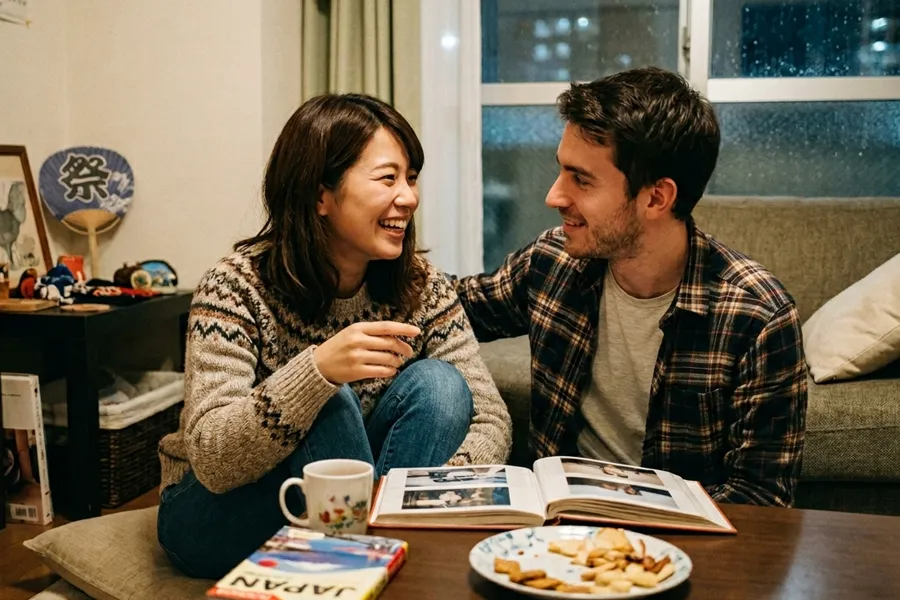
Cross-cultural relationships can be exciting, meaningful, and life-changing. However, when a Japanese woman begins a relationship with a foreign man - especially someone from a Western country - she may also experience unique anxieties. These concerns are often rooted in cultural differences, communication styles, family expectations, and long - term commitment goals.
If you are a Western man hoping to build a lasting relationship with a Japanese partner, understanding these anxieties is the first step toward creating trust and emotional security. Here are some of the most common concerns Japanese women experience - and how you can navigate them successfully.


Japan has a deeply nuanced communication style. Many Japanese women grow up in a culture that values harmony, subtlety, and indirect expression. In contrast, Western cultures often encourage directness and assertiveness.
Because of this difference, a Japanese woman may worry:
She may hesitate to express disagreement openly or may avoid confrontation to preserve harmony. Meanwhile, you might interpret her silence as agreement.
Patience and empathy go a long way. When she feels understood without needing to over-explain herself, her anxiety naturally decreases.
Marriage in Japan is often viewed as a serious, life-defining commitment. Many Japanese women approach relationships with long-term stability in mind.
She may worry:
Because Western dating culture sometimes includes casual relationships, she may feel uncertain about your intentions.
When your words and actions align, she feels safer investing emotionally.
Even if she speaks English well, she may worry about:
This can create insecurity, especially in emotional conversations.
Remember, communication is about connection, not perfection.
Family approval carries significant weight in Japanese culture. A Japanese woman may feel anxious about how her parents will react to a foreign partner.
She might wonder:
At the same time, she may also worry about fitting into your family and cultural environment.
Demonstrating respect for her background reassures her that she won't have to choose between love and family.
If the relationship leads to marriage, relocation may become part of the conversation. Moving abroad can be overwhelming.
Common fears include:
Leaving Japan means leaving behind family, friends, and familiar systems.
When she feels like a partner in decision-making rather than someone being "relocated," her confidence grows.
Unfortunately, stereotypes exist on both sides. A Japanese woman may worry that you:
These concerns can create emotional distance.
Mutual respect eliminates stereotype-based anxiety.
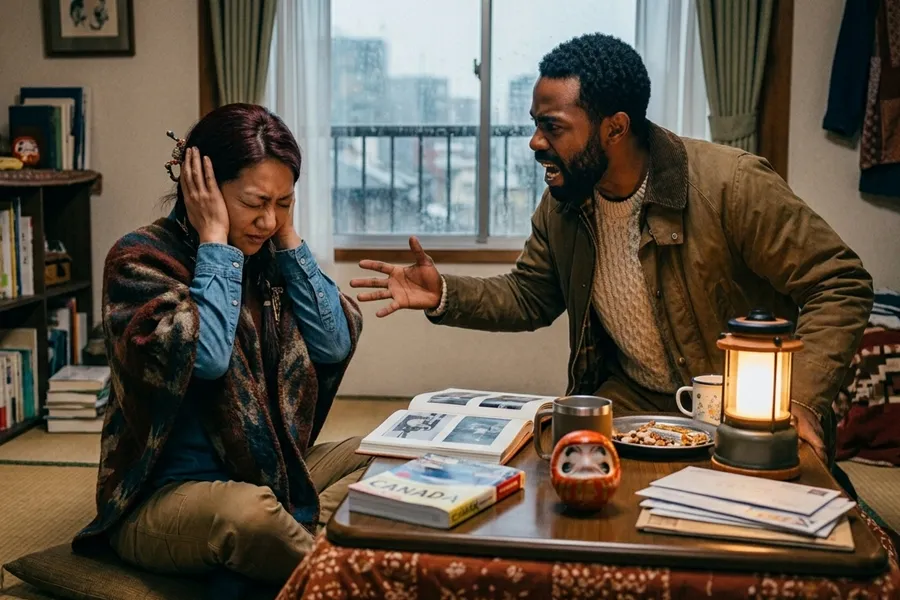
Japanese culture often avoids open conflict, while many Western cultures address disagreements directly.
She may feel anxious about arguments because:
Creating a safe space for disagreement strengthens long-term stability.
If she moves abroad, she may worry about:
This fear can linger even before relocation happens.
Support in social integration builds emotional security.
The key to navigating these anxieties is emotional intelligence. Japanese women are often thoughtful, loyal, and deeply committed partners. However, they may not always verbalize their fears directly.
Pay attention to subtle signals. Offer reassurance consistently. Demonstrate reliability. Cross-cultural relationships thrive not on grand gestures, but on steady trust-building.
Understanding her anxieties does not mean you must change who you are. Instead, it means becoming more aware of how cultural context shapes emotional experiences. When both partners approach the relationship with curiosity and respect, differences become strengths rather than obstacles.
Cross-cultural love requires patience, honesty, and cultural sensitivity. Since 1994, Transpacific Marriage Agency (TMA) was founded to provide new opportunities for encounters between Japanese women and men, primarily from Western countries. Every month, Transpacific Marriage Agency (TMA) will deliver a different set of male member profiles to you by mail or email, depending on your preferred method, helping sincere individuals build meaningful, long-term relationships across cultures.